
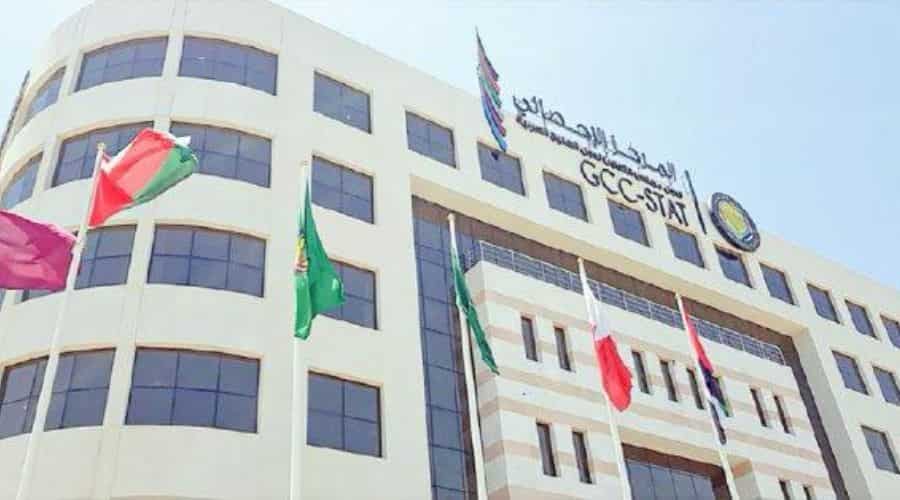
GCC-stat



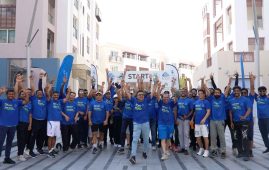 Renaissance Services strengthens support for ESO’s charity run
Muscat – Renaissance Services strengthened its.
 AJMS Group Supports DDSC Across Compliance Systems Implementation
Dubai: AJMS Group announces its ongoing.
 Oman-UAE Railway Project Advances as Trial Operations Near
Oman-UAE Rail Link Set for Trial.
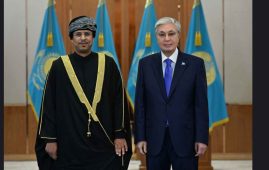 Kazakhstan President Receives Credentials of New Omani Ambassador
Oman’s Ambassador to Kazakhstan Presents Credentials.
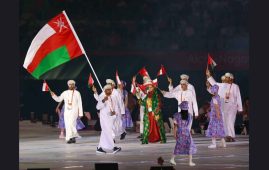 Oman Takes Part in Aichi-Nagoya 2026 Asian Games Opening Ceremony
Oman Participates in Opening Ceremony of.
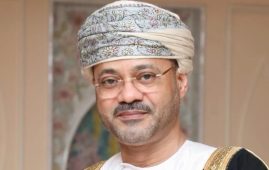 Oman and Germany Discuss Strait of Hormuz, Red Sea Navigation
Oman, Germany Discuss Freedom of Navigation.
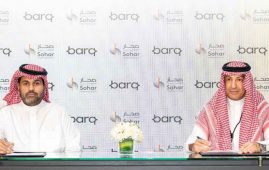 Sohar International and barq Sign Agreement to Explore New Opportunities in Digital Financial Services
Muscat : Reinforcing its commitment to.
 Oman’s Abdullah Al-Rawahi Dominates Jordan National Rally Round
Oman’s Abdullah Al-Rawahi Wins Fifth Round.
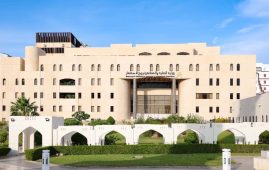 Oman “Trade Dialogues” to Focus on Re-Exports, Local Suppliers and Logistics
Oman’s “Trade Dialogues” to Explore Economic.
 Oman Expands Global Presence at Marmomac 2026 in Verona
Oman Showcases Marble and Natural Stone.
Terms of Use: