


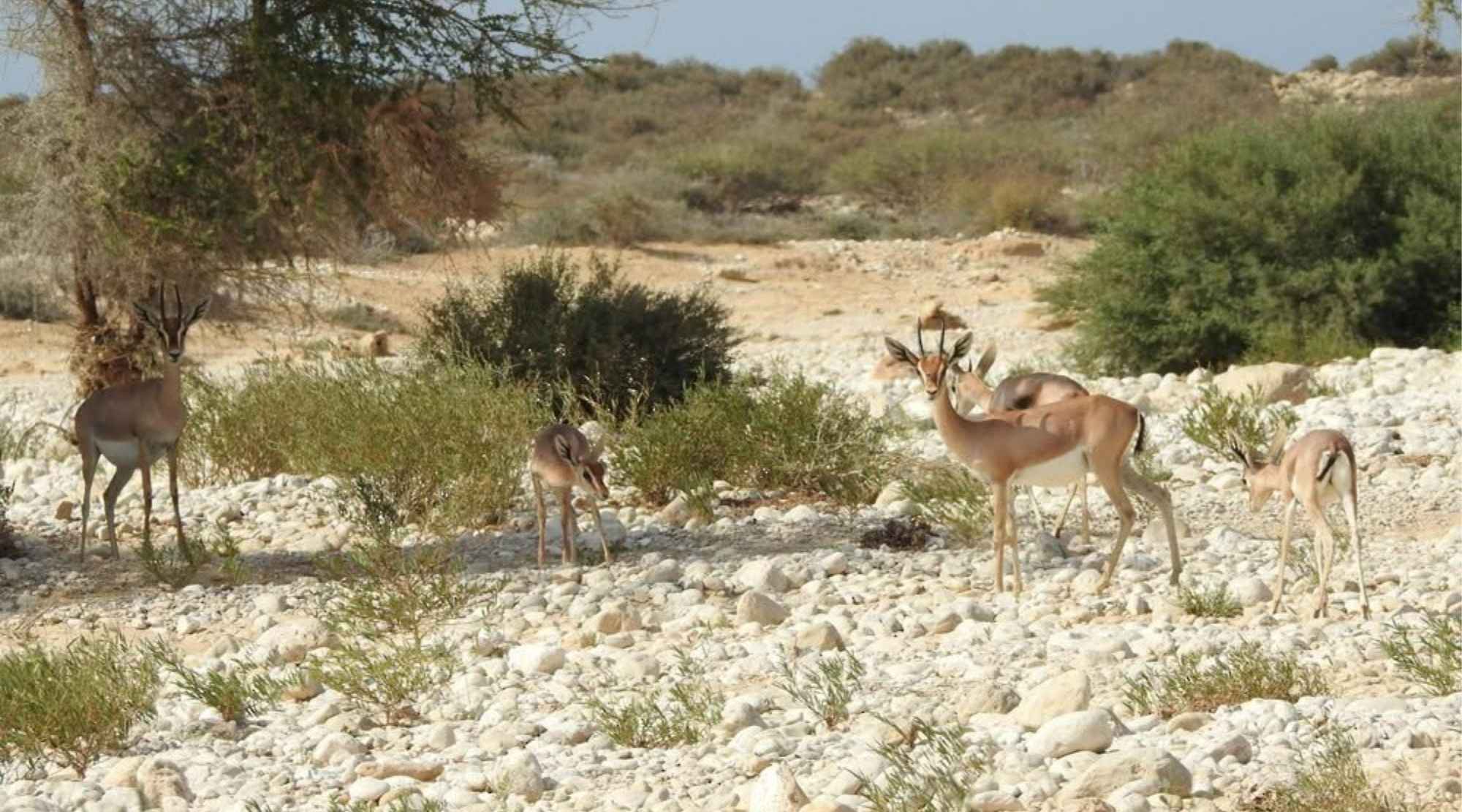
Oman’s 32 Nature Reserves Cover 17,839 Square Kilometres
Muscat: The Sultanate of Oman has 32 nature reserves covering approximately 17,839.6 square kilometres, equivalent to about 5.76% of the Sultanate’s total area, as part of national efforts to protect biodiversity and support sustainable development.
The reserves form an integrated system covering terrestrial, marine and wetland ecosystems, contributing to the protection of plant and animal species and their natural habitats while ensuring the sustainability of natural resources for future generations.
Zahra bint Khalaf Al-Shariqi, Head of the Natural Reserves Management Department at the Environment Authority, said that the role of nature reserves extends beyond environmental protection to include scientific research, environmental monitoring, sustainable management of natural resources, environmental awareness and responsible ecotourism.
She noted that the Environment Authority is working to further develop Oman’s network of nature reserves by studying proposed sites, updating management plans, completing regulatory frameworks, expanding monitoring programmes through modern technologies, developing national biodiversity databases and increasing local community participation in natural resource management.
The next phase will focus on improving field management, developing reserve infrastructure, promoting sustainable ecotourism and strengthening cooperation with international organisations.
Al-Shariqi said Oman has made significant progress in nature conservation in recent years, including strengthening the legislative framework governing nature reserves, issuing regulations for several reserves, expanding environmental monitoring programmes and increasing scientific studies and management plans.
She noted that the Al Jabal Al Akhdar and Al Sareen reserves were included last year in the UNESCO World Network of Biosphere Reserves, reflecting Oman’s environmental standing and its efforts to balance biodiversity protection with sustainable development.
Six new reserves have also been announced over the past five years, with the latest being the establishment of a marine buffer zone reserve around the Hallaniyat Islands.
The Authority has also continued habitat restoration programmes, the reintroduction of selected wildlife species and the development of environmental monitoring systems to strengthen the protection of endangered species.
Al-Shariqi explained that wildlife conservation depends primarily on protecting natural habitats that provide species with food, breeding grounds and movement corridors. The Authority therefore implements integrated programmes involving periodic monitoring, camera traps and other modern technologies, national species databases, environmental threat monitoring and the regulation of activities within reserves.
Priority is given to species of national and global conservation importance, including the Arabian leopard, Arabian oryx, Arabian gazelle, Arabian ibex, sea turtles and birds of prey, in line with classifications adopted by the International Union for Conservation of Nature (IUCN).
She pointed out that illegal hunting and the increasing effects of climate change remain among the main challenges facing nature reserves.
Climate change is affecting ecosystems through rising temperatures, changing rainfall patterns, pressure on water resources and increasing sea temperatures. These impacts can alter wildlife distribution and affect coral reefs, mangrove forests and sea turtle nesting sites.
To address these challenges, the Authority is integrating climate considerations into reserve management plans, strengthening long-term monitoring, restoring degraded habitats, expanding mangrove planting and using modern technologies to track environmental changes.
Al-Shariqi emphasized that nature reserves are a key pillar in achieving the Sustainable Development Goals, as they protect biodiversity and natural resources, support food and water security, contribute to climate-change mitigation, promote scientific research and environmental education, and support Oman’s commitments under international environmental agreements.
She added that the reserves also contribute to the global 30×30 conservation target, which seeks to protect 30% of the world’s land and oceans by 2030.
Nature reserves also provide opportunities to support the green economy through ecotourism, creating employment opportunities for local communities in environmental guidance, tourism services, small and medium enterprises and traditional crafts.
The Environment Authority has adopted an approach in which ecotourism serves as a tool for conservation. Visits to reserves are regulated through designated use areas, organised routes, visitor carrying-capacity limits, permits and restrictions on access to sensitive habitats, particularly during breeding and nesting seasons.
Investment projects within reserves are also subject to environmental controls and specialised studies to ensure their compatibility with conservation objectives.
Al-Shariqi stressed that nature reserves play an important role in raising environmental awareness, preserving natural and cultural heritage and strengthening social responsibility, making local communities key partners in the protection and long-term sustainability of Oman’s natural reserves.

more recommended stories
 Renaissance Services strengthens support for ESO’s charity run
Muscat – Renaissance Services strengthened its.
 AJMS Group Supports DDSC Across Compliance Systems Implementation
Dubai: AJMS Group announces its ongoing.
 Oman-UAE Railway Project Advances as Trial Operations Near
Oman-UAE Rail Link Set for Trial.
 Kazakhstan President Receives Credentials of New Omani Ambassador
Oman’s Ambassador to Kazakhstan Presents Credentials.
 Oman Takes Part in Aichi-Nagoya 2026 Asian Games Opening Ceremony
Oman Participates in Opening Ceremony of.
 Oman and Germany Discuss Strait of Hormuz, Red Sea Navigation
Oman, Germany Discuss Freedom of Navigation.
 Sohar International and barq Sign Agreement to Explore New Opportunities in Digital Financial Services
Muscat : Reinforcing its commitment to.
 Oman’s Abdullah Al-Rawahi Dominates Jordan National Rally Round
Oman’s Abdullah Al-Rawahi Wins Fifth Round.
 Oman “Trade Dialogues” to Focus on Re-Exports, Local Suppliers and Logistics
Oman’s “Trade Dialogues” to Explore Economic.
 Oman Expands Global Presence at Marmomac 2026 in Verona
Oman Showcases Marble and Natural Stone.