


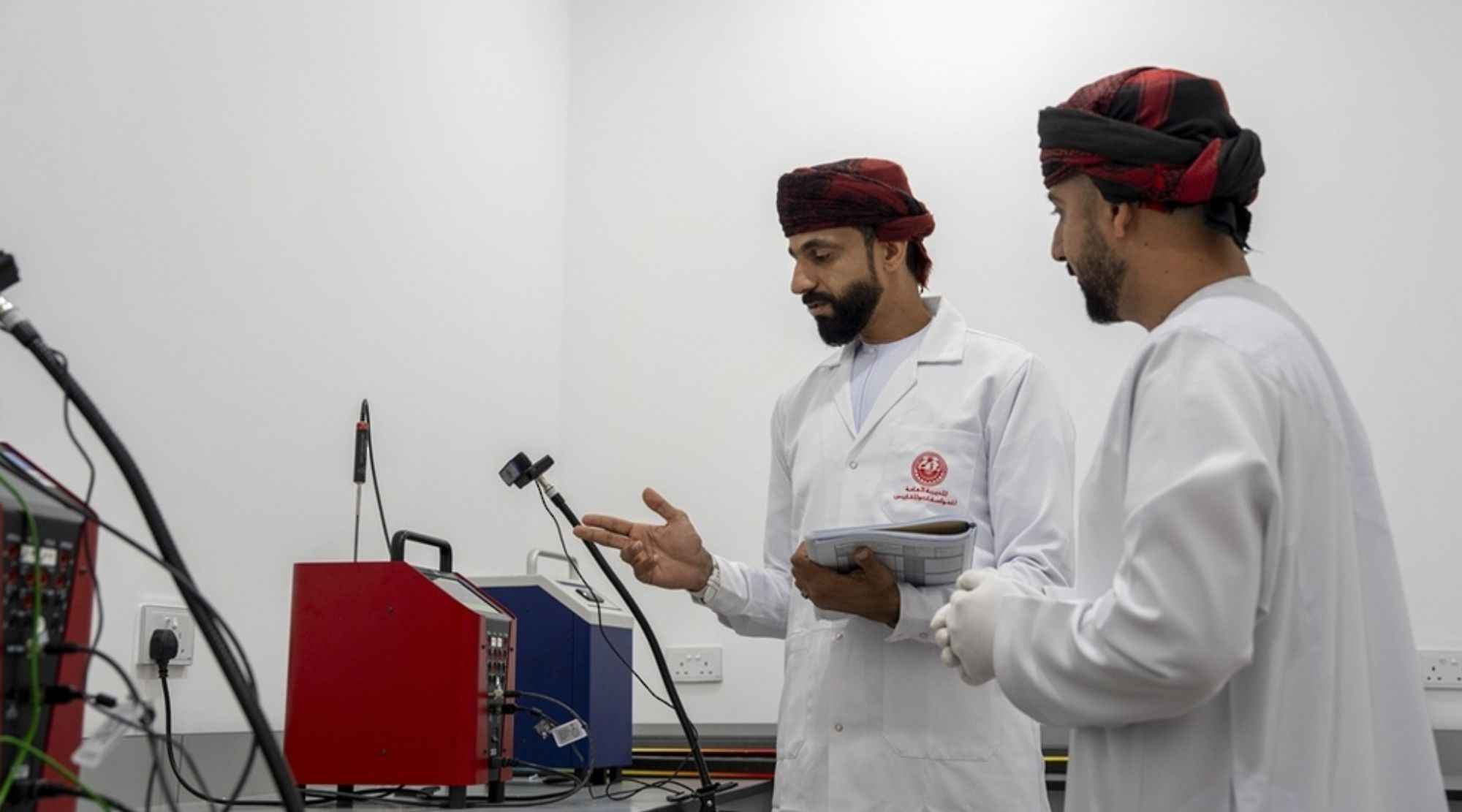
Muscat: The Sultanate of Oman recorded a 33.8% growth in the Omani and Gulf Standards Index by the end of the second quarter of 2026, exceeding the target for the period by 65%.
The development of the standards and specifications system represents one of the key enablers supporting the competitiveness of the national economy by establishing technical references for products and services, enhancing quality, safety and efficiency, and supporting producers in meeting technical requirements in regional and international markets.
The Directorate General of Standards and Metrology at the Ministry of Commerce, Industry and Investment Promotion is working under its 2026 plan to prepare and study around 1,567 unified Gulf standard specifications projects, including approximately 325 projects prepared by Oman, in addition to 16 national standard specifications projects.
The completion rate for projects under the plan exceeded 80% by the end of the second quarter of 2026.
The specifications cover several sectors, including food, building materials, petroleum products, energy efficiency, electricity and electronics, as well as digital transformation, renewable energy, logistics and tourism. The projects seek to keep pace with technological developments, product and service requirements and evolving market needs.
Emad bin Khamis Al-Shukaili, Director General of the Directorate General of Standards and Metrology, said that the growth of the standards system strengthens the technical infrastructure supporting the national economy by establishing clear requirements for quality, safety and efficiency.
He added that standardisation is directly linked to the needs of industry, trade and other economic sectors, helping enhance the readiness of products to comply with technical requirements in target markets and reducing technical barriers to trade, while providing a clear regulatory environment for producers and investors.
Al-Shukaili explained that expanding standards development to areas such as artificial intelligence, renewable energy, electric vehicles, logistics and tourism reflects the transformations taking place in these sectors and strengthens the readiness of the standards system to address emerging products, services and technologies.
He stressed that the development of standards is based on cooperation among government entities, the private sector and academic and research institutions, linking technical requirements with market realities and industry needs while supporting the quality and competitiveness of products and services.
Standards Expand into Emerging Sectors
In digital transformation, Oman has prepared a number of unified Gulf standards projects, including specifications for environmental sustainability in artificial intelligence systems, data quality for analytics and machine learning, and terrestrial audio broadcasting receivers.
In resource and energy sustainability, the projects include specifications related to wind power generation systems, asset management and extending their operational life. Industrial-sector projects include specifications covering facility performance management, cold-chain logistics, and storage and transportation requirements and guidelines.
The standards programme also covers tourism, including guidelines for developing environmental specifications for accommodation facilities and information provided to participants in adventure tourism activities.
Oman has also adopted 10 international standards as national standards for the electricity and electronics sector. These cover areas including plug-in charging systems for electric vehicles, renewable energy systems, electrical transformer safety and industrial Internet applications.
Nadia bint Mohammed Al-Siyabi, Director of the Standards Department at the Ministry of Commerce, Industry and Investment Promotion, said the selection of standards projects is linked to sectoral needs and technical and technological developments affecting products and services.
She noted that the diversity of projects reflects the requirements of traditional economic sectors as well as emerging fields such as artificial intelligence, renewable energy, electric vehicles, logistics and tourism.
The projects also include standards related to Omani products, including Omani frankincense aromatic oil and Omani frankincense distilled water used in cosmetics, as well as specifications for fishing boats less than 14 metres in length. These standards aim to establish technical requirements related to product quality and safety.
Al-Siyabi pointed out that the preparation and study of standards are based on technical participation from relevant entities, with more than 170 Omani members serving on technical committees for standard specifications. The members represent government and regulatory bodies, the private sector, and academic and research institutions.
Standard specifications support product competitiveness by defining requirements for quality, safety and efficiency and providing technical references that help producers comply with market requirements. This contributes to facilitating trade and reducing technical barriers to the movement of goods.
The standards system also covers areas directly related to market and consumer safety, including food, toys and electrical appliances, in addition to energy efficiency, emissions reduction, waste management and biodegradable plastics.
Expanding and developing standard specifications contributes to strengthening the technical infrastructure of Oman’s economic sectors, enhancing their readiness to respond to industrial and technological transformations and market requirements, improving the quality of Omani products and supporting their access to regional and international markets.
These efforts align with the objectives of economic diversification and enhancing the competitiveness of the national economy.

more recommended stories
 Renaissance Services strengthens support for ESO’s charity run
Muscat – Renaissance Services strengthened its.
 AJMS Group Supports DDSC Across Compliance Systems Implementation
Dubai: AJMS Group announces its ongoing.
 Oman-UAE Railway Project Advances as Trial Operations Near
Oman-UAE Rail Link Set for Trial.
 Kazakhstan President Receives Credentials of New Omani Ambassador
Oman’s Ambassador to Kazakhstan Presents Credentials.
 Oman Takes Part in Aichi-Nagoya 2026 Asian Games Opening Ceremony
Oman Participates in Opening Ceremony of.
 Oman and Germany Discuss Strait of Hormuz, Red Sea Navigation
Oman, Germany Discuss Freedom of Navigation.
 Sohar International and barq Sign Agreement to Explore New Opportunities in Digital Financial Services
Muscat : Reinforcing its commitment to.
 Oman’s Abdullah Al-Rawahi Dominates Jordan National Rally Round
Oman’s Abdullah Al-Rawahi Wins Fifth Round.
 Oman “Trade Dialogues” to Focus on Re-Exports, Local Suppliers and Logistics
Oman’s “Trade Dialogues” to Explore Economic.
 Oman Expands Global Presence at Marmomac 2026 in Verona
Oman Showcases Marble and Natural Stone.